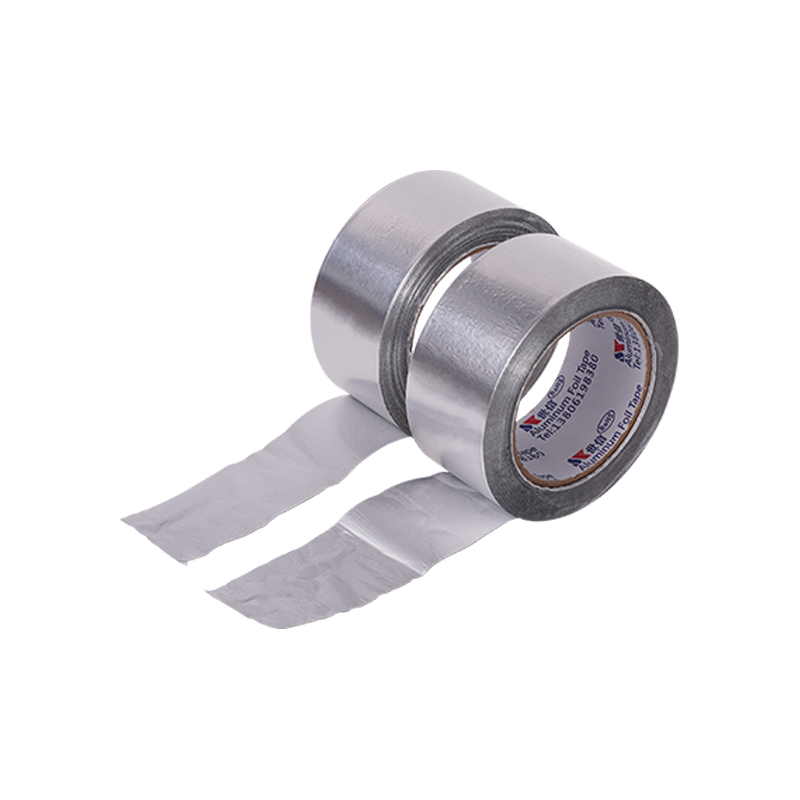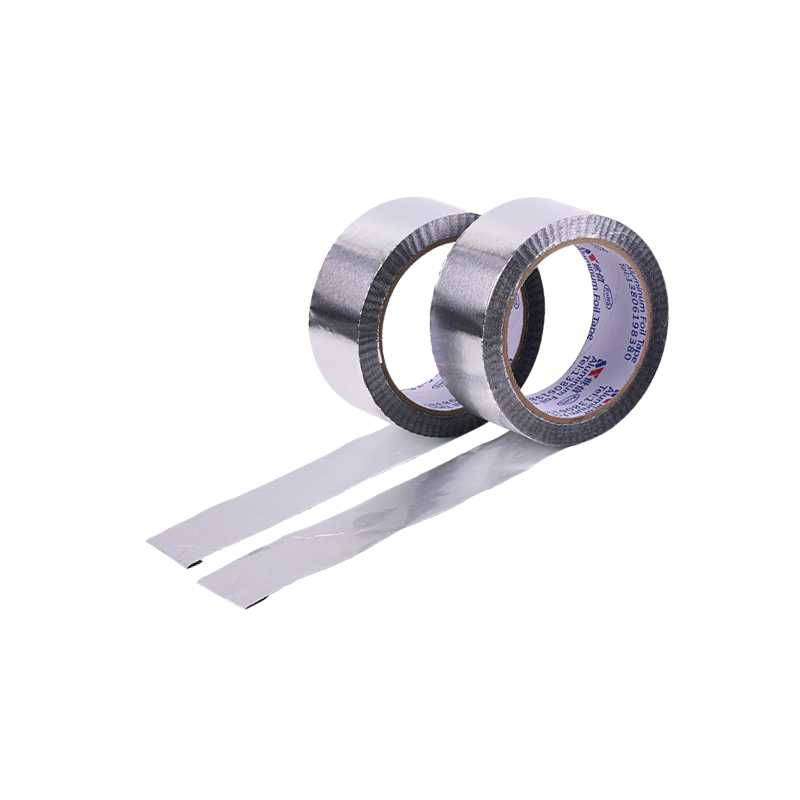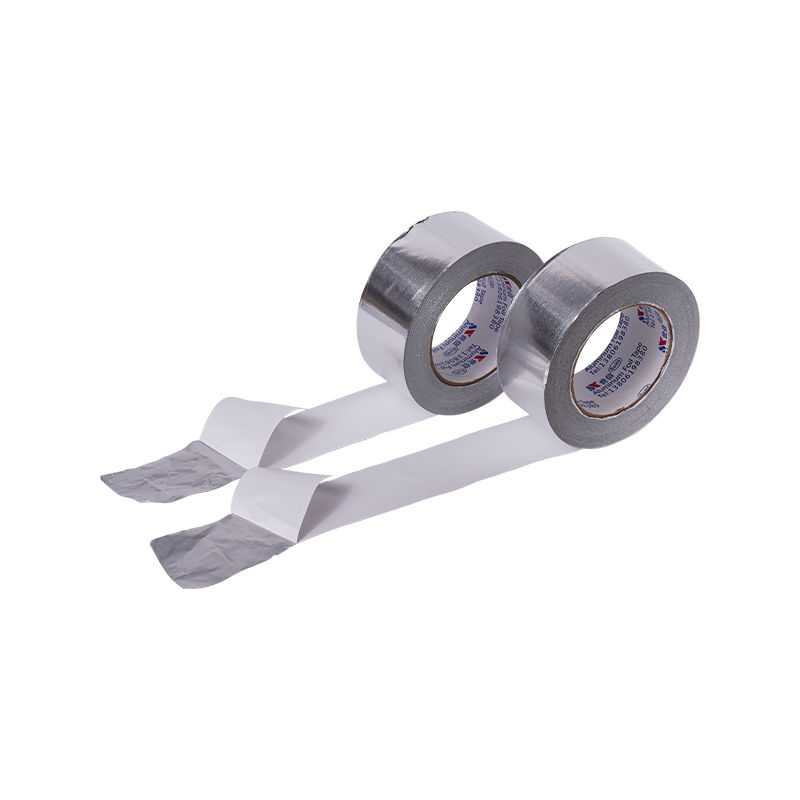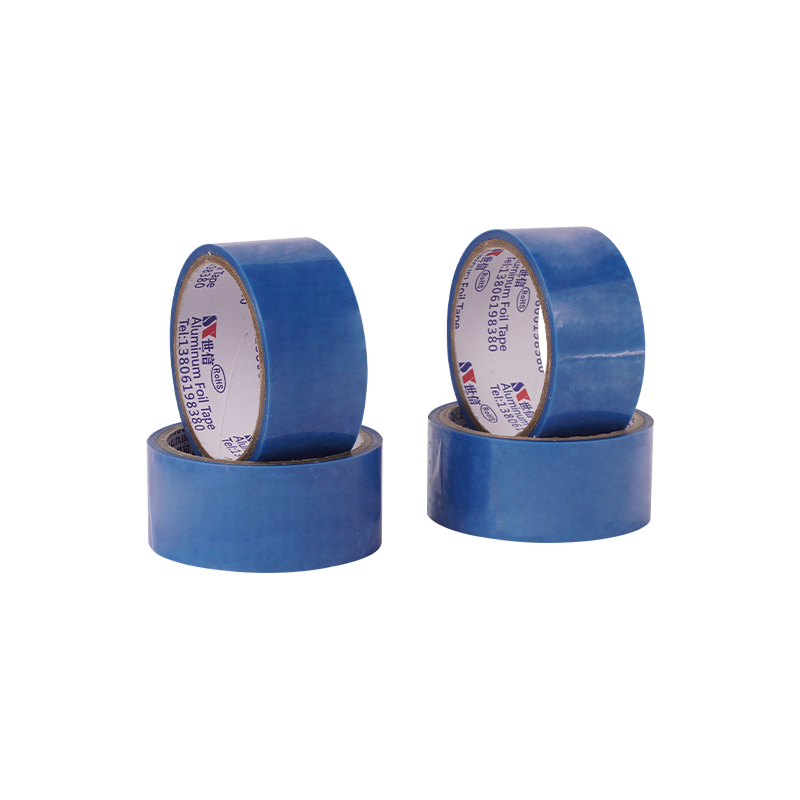
Pita Sisi Ganda Suhu Tinggi adalah solusi perekat industri yang dirancang untuk memberikan kinerja ikatan yang andal di lingkungan yang memerlukan suhu tinggi, siklus termal, dan stabilitas adhesi jangka panjang. Tidak seperti pita perekat dua sisi konvensional yang terutama digunakan untuk aplikasi pengikatan umum, versi suhu tinggi dirancang untuk mempertahankan kekuatan perekat dan integritas strukturalnya dalam kondisi pengoperasian yang lebih berat.
Jenis pita ini terdiri dari struktur perekat dua sisi dengan bahan pembawa di tengah dan lapisan pelepas di bagian luar. Kombinasi teknologi perekat, desain pembawa, dan perlindungan lapisan menentukan kinerja pita perekat secara keseluruhan, termasuk ketahanan suhu, kekuatan ikatan, fleksibilitas, dan efisiensi pemrosesan.
Kinerja Pita Sisi Ganda Suhu Tinggi bergantung pada interaksi antara tiga komponen utama. Setiap lapisan menyediakan fungsi spesifik yang berkontribusi terhadap ikatan industri yang andal.
Dalam aplikasi industri, bahan perekat mungkin menghadapi tantangan seperti perubahan suhu, getaran, pergerakan permukaan, dan paparan lingkungan jangka panjang. Pita Sisi Ganda Suhu Tinggi dirancang untuk mengatasi kondisi ini melalui struktur material yang seimbang.
| Komponen | Fungsi Utama | Manfaat Industri |
| Lapisan Perekat | Memberikan kekuatan ikatan dan daya rekat tahan panas | Mempertahankan keterikatan yang andal dalam kondisi yang menuntut |
| Bahan Pembawa | Memberikan ketebalan, kekuatan, dan stabilitas dimensi | Mendukung kebutuhan aplikasi yang berbeda |
| Rilis Liner | Melindungi perekat sebelum digunakan | Meningkatkan penanganan dan efisiensi produksi |
Perbedaan utama antara selotip dua sisi suhu tinggi dan selotip dua sisi standar adalah kemampuannya mempertahankan kinerja di bawah tekanan termal. Pita perekat standar umumnya cocok untuk kondisi lingkungan normal, sedangkan versi suhu tinggi dirancang untuk aplikasi yang mengutamakan ketahanan panas dan keandalan jangka panjang.
| Fitur | Pita Sisi Ganda Suhu Tinggi | Pita Dua Sisi Standar |
| Ketahanan Suhu | Dirancang untuk mempertahankan kinerja ikatan di bawah suhu tinggi | Cocok terutama untuk aplikasi suhu normal |
| Stabilitas Perekat | Memberikan ketahanan yang lebih baik terhadap perubahan kinerja terkait panas | Mungkin mengalami penurunan daya rekat jika terkena panas dalam waktu lama |
| Keandalan Jangka Panjang | Cocok untuk aplikasi yang memerlukan kinerja berkelanjutan | Cocok untuk kondisi pengikatan yang tidak terlalu menuntut |
| Penggunaan Industri | Digunakan untuk aplikasi elektronik, otomotif, peralatan, dan termal | Digunakan terutama untuk pemasangan dan perakitan umum |
Bahan pembawa memainkan peranan penting dalam menentukan fleksibilitas, kekuatan, dan kinerja aplikasi pita perekat. Struktur pembawa yang berbeda dipilih sesuai dengan lingkungan ikatan dan kinerja yang dibutuhkan.
| Jenis Pengangkut | Karakteristik Utama | Persyaratan Aplikasi Khas |
| Pembawa Film | Struktur tipis, stabilitas dimensi baik, dan aplikasi halus | Aplikasi yang membutuhkan ikatan presisi dan ketebalan rendah |
| Pembawa Busa | Memberikan bantalan, fleksibilitas, dan kemampuan mengisi celah | Aplikasi yang melibatkan permukaan tidak rata atau getaran |
| Pembawa Non-Anyaman | Struktur fleksibel dengan kekuatan dan kesesuaian yang seimbang | Aplikasi yang membutuhkan kinerja pengikatan yang dapat disesuaikan |
| Faktor Kinerja | Pentingnya dalam Aplikasi Industri |
| Ketahanan Suhu | Membantu menjaga daya rekat saat terkena panas dan siklus termal. |
| Kekuatan Ikatan | Menentukan apakah komponen tetap terpasang dengan aman selama pengoperasian. |
| Kontrol Ketebalan | Mempengaruhi pengisian celah, kontak permukaan, dan presisi perakitan. |
| Stabilitas Pembawa | Mendukung kinerja yang konsisten di bawah tekanan mekanis dan lingkungan. |
| Kinerja Rilis | Meningkatkan efisiensi pemrosesan dan akurasi aplikasi. |
Manufaktur modern memerlukan solusi pengikatan yang memberikan efisiensi dan keandalan. Pita Sisi Ganda Suhu Tinggi memungkinkan produsen mengganti metode pengikatan mekanis tertentu dengan tetap menjaga tampilan bersih dan pemasangan stabil.
Kemampuannya menahan paparan panas, mendukung kombinasi material yang berbeda, dan meningkatkan efisiensi perakitan membuatnya cocok untuk aplikasi yang memerlukan kinerja ikatan yang tahan lama. Dengan memilih struktur perekat, jenis pembawa, dan ketebalan yang tepat, produsen dapat mencapai hasil yang lebih andal dalam lingkungan industri yang menuntut.
Pita Dua Sisi Suhu Tinggi dirancang untuk mempertahankan kinerja ikatan yang andal di lingkungan di mana bahan perekat konvensional mungkin mengalami pelunakan, kehilangan kekuatan, atau penuaan dini. Kemampuan pita perekat untuk bekerja di bawah paparan panas bergantung pada interaksi antara sistem perekat, bahan pembawa, kompatibilitas permukaan, dan kondisi lingkungan.
Saat terkena suhu tinggi, bahan perekat mungkin menghadapi tantangan seperti berkurangnya daya rekat, peningkatan aliran, atau perubahan sifat fisik. Pita perekat dua sisi bersuhu tinggi mengatasi tantangan ini melalui struktur perekat yang dirancang khusus yang memberikan stabilitas termal lebih baik dan keandalan ikatan jangka panjang.
Perubahan suhu secara langsung dapat mempengaruhi sifat fisik dan kimia bahan perekat. Ketika pita perekat digunakan di lingkungan bersuhu tinggi, beberapa faktor dapat mempengaruhi kinerja ikatan.
Untuk aplikasi industri, pita dua sisi bersuhu tinggi harus menjaga keseimbangan antara daya rekat awal yang kuat, daya tahan jangka panjang, dan ketahanan terhadap tekanan termal.
Lapisan perekat adalah komponen kunci yang menentukan kinerja ikatan suhu tinggi. Sistem perekat yang dirancang dengan baik membantu mempertahankan kontak dengan media meskipun terkena panas terus-menerus atau perubahan suhu berulang kali.
| Faktor Kinerja Perekat | Dampak pada Aplikasi Suhu Tinggi |
| Tahan Panas | Membantu menjaga kekuatan ikatan dalam kondisi suhu tinggi. |
| Kekuatan Kohesi | Mengurangi deformasi atau pergerakan perekat selama penggunaan jangka panjang. |
| Taktik Awal | Meningkatkan kontak dan posisi langsung selama pemasangan. |
| Stabilitas Penuaan | Mendukung kinerja yang konsisten setelah terpapar lingkungan dalam waktu lama. |
Lapisan pembawa memberikan dukungan struktural antara dua lapisan perekat. Sifat-sifatnya mempengaruhi stabilitas ketebalan, fleksibilitas, dan kemampuan untuk menangani tekanan termal.
Struktur pembawa yang berbeda memberikan keuntungan yang berbeda tergantung pada kebutuhan aplikasi.
| Jenis Pengangkut | Karakteristik Kinerja | Keuntungan Aplikasi Panas |
| Pembawa Film | Tipis, stabil secara dimensi, dan presisi | Cocok untuk aplikasi yang memerlukan posisi akurat dan ketebalan rendah |
| Pembawa Busa | Fleksibel dengan kemampuan bantalan | Membantu menyerap stres yang disebabkan oleh permukaan yang tidak rata dan ekspansi termal |
| Pembawa Non-Anyaman | Struktur lembut dan mudah beradaptasi | Memberikan fleksibilitas untuk permukaan ikatan yang kompleks |
Banyak aplikasi industri tidak mengalami suhu konstan. Sebaliknya, komponen dapat berulang kali menjadi panas dan dingin selama pengoperasian. Siklus suhu ini menciptakan gaya ekspansi dan kontraksi yang dapat mempengaruhi kinerja perekat.
Pita Sisi Ganda Suhu Tinggi membantu mengatur siklus termal melalui:
| Kondisi Termal | Performa Tape yang Diperlukan |
| Suhu Tinggi Terus Menerus | Kekuatan perekat yang stabil dan ketahanan terhadap penuaan jangka panjang |
| Perubahan Suhu yang Cepat | Fleksibilitas yang baik dan kemampuan penyerapan stres |
| Pemanasan dan Pendinginan Berulang | Kinerja ikatan yang konsisten selama siklus termal |
Perbedaan antara selotip dua sisi suhu tinggi dan selotip dua sisi umum menjadi lebih signifikan ketika lingkungan kerja melibatkan paparan panas. Perbandingan berikut menyoroti perbedaan kinerja yang umum.
| Fitur Kinerja | Pita Sisi Ganda Suhu Tinggi | Pita Dua Sisi Umum |
| Stabilitas Panas | Dirancang untuk mempertahankan kinerja pada suhu tinggi | Terutama cocok untuk lingkungan suhu normal |
| Keandalan Perekat | Ketahanan yang lebih baik terhadap degradasi termal | Mungkin mengalami berkurangnya kekuatan memegang di bawah panas |
| Performa Bersepeda Termal | Kemampuan beradaptasi yang lebih baik terhadap perubahan suhu berulang | Lebih sensitif terhadap tekanan ekspansi dan kontraksi |
| Penggunaan Jangka Panjang | Cocok untuk aplikasi industri yang menuntut | Cocok untuk persyaratan ikatan dasar |
Bahkan dengan teknologi perekat tahan panas, kondisi aplikasi yang tepat sangat penting untuk mencapai kinerja yang andal. Produsen harus mengevaluasi beberapa faktor sebelum memilih solusi double tape suhu tinggi.
Bagi produsen industri, kegagalan perekat di lingkungan bersuhu tinggi dapat memengaruhi keandalan produk, efisiensi perakitan, dan persyaratan pemeliharaan. Pita Sisi Ganda Suhu Tinggi memberikan solusi ikatan praktis dengan menggabungkan kinerja perekat tahan panas, stabilitas struktural, dan fleksibilitas aplikasi.
Dengan memilih struktur pita yang sesuai dengan kondisi suhu, bahan substrat, dan persyaratan produksi, produsen dapat mencapai kinerja pengikatan yang lebih andal dalam aplikasi di mana metode pengikatan tradisional mungkin tidak memberikan fleksibilitas atau efisiensi yang diperlukan.
Dalam industri manufaktur, metode pengikatan secara langsung mempengaruhi efisiensi perakitan, penampilan produk, desain struktural, dan keandalan jangka panjang. Pita Sisi Ganda Suhu Tinggi memberikan solusi alternatif terhadap metode pengikatan mekanis tradisional dengan menciptakan sambungan perekat yang kuat tanpa pengeboran, sekrup, klip, atau komponen pemasangan tambahan.
Untuk aplikasi yang terkena suhu tinggi, keuntungan dari pita dua sisi suhu tinggi menjadi lebih signifikan. Ini menggabungkan kinerja ikatan tahan panas dengan fleksibilitas desain, memungkinkan produsen menyederhanakan proses perakitan sambil mempertahankan pengikatan yang andal antara material yang berbeda.
Pengencang mekanis tradisional sering kali memerlukan langkah pemrosesan tambahan, termasuk mengebor lubang, memasang perangkat keras, dan menyesuaikan posisi komponen. Langkah-langkah ini dapat menambah waktu produksi dan menciptakan keterbatasan dalam desain produk.
Pita Dua Sisi Suhu Tinggi menyederhanakan proses pengikatan dengan memberikan pelekatan langsung antar permukaan. Rekaman ini dapat diaplikasikan dengan cepat dan konsisten, sehingga cocok untuk lingkungan produksi industri yang mengutamakan efisiensi dan kemampuan pengulangan.
| Faktor Perakitan | Pita Sisi Ganda Suhu Tinggi | Pengencang Mekanis |
| Proses Instalasi | Ikatan langsung dengan langkah aplikasi sederhana | Membutuhkan operasi pengeboran, penentuan posisi, dan pengikatan |
| Komponen Tambahan | Tidak diperlukan sekrup, klip, atau perangkat keras | Membutuhkan komponen pemasangan terpisah |
| Efisiensi Produksi | Cocok untuk proses perakitan yang efisien | Mungkin memerlukan lebih banyak tenaga kerja dan waktu pemrosesan |
Produk industri modern sering kali memerlukan permukaan yang bersih, struktur yang kompak, dan kualitas visual yang lebih baik. Pengencang mekanis dapat menimbulkan lubang, sekrup, atau titik pemasangan yang terlihat sehingga memengaruhi tampilan produk.
Pita Sisi Ganda Suhu Tinggi memberikan ikatan tersembunyi, memungkinkan desainer mempertahankan permukaan halus dan struktur produk lebih fleksibel.
| Pertimbangan Desain | Keuntungan Ikatan Perekat |
| Penampilan Permukaan | Memberikan permukaan luar yang halus dan bersih |
| Integrasi Komponen | Mendukung struktur produk yang kompak dan ringan |
| Kebebasan Desain | Memungkinkan pengikatan tanpa membatasi penempatan berdasarkan lokasi pengikatan |
Produk industri seringkali memerlukan ikatan antara bahan yang berbeda, seperti logam, plastik, bahan insulasi, dan struktur komposit. Pengikatan mekanis dapat menciptakan titik konsentrasi tegangan, sedangkan ikatan perekat mendistribusikan tegangan secara lebih merata ke seluruh area ikatan.
Pita Sisi Ganda Suhu Tinggi membantu mencapai keterikatan yang stabil antara media yang berbeda dengan memberikan kontak terus menerus dan mengurangi stres lokal.
| Metode Ikatan | Distribusi Stres | Kompatibilitas Bahan |
| Pita Sisi Ganda Suhu Tinggi | Mendistribusikan tekanan ke seluruh area ikatan | Cocok untuk berbagai bahan industri |
| Pengencang Mekanis | Menciptakan stres terkonsentrasi di sekitar titik penetapan | Mungkin memerlukan struktur yang kompatibel dan pertimbangan desain tambahan |
Dalam aplikasi suhu tinggi, metode pengikatan tradisional mungkin tidak selalu memberikan fleksibilitas yang diperlukan saat material mengembang dan berkontraksi selama pengoperasian. Pita Sisi Ganda Suhu Tinggi membantu menyerap gerakan kecil yang disebabkan oleh ekspansi termal sambil menjaga kestabilan keterikatan.
| Persyaratan Kinerja | Pita Sisi Ganda Suhu Tinggi | Pengencang Mekanis |
| Penanganan Ekspansi Termal | Memberikan fleksibilitas untuk mengakomodasi pergerakan material | Sambungan yang kaku dapat memindahkan lebih banyak tekanan ke komponen |
| Kontrol Getaran | Lapisan perekat dapat menyerap getaran kecil | Membutuhkan solusi tambahan untuk pengurangan getaran |
| Perlindungan Permukaan | Tidak diperlukan pengeboran atau kerusakan permukaan | Mungkin memerlukan lubang atau modifikasi struktural |
Pita Sisi Ganda Suhu Tinggi biasanya dipilih ketika produsen membutuhkan kombinasi ikatan yang kuat, tahan panas, dan perakitan yang efisien. Area aplikasi yang umum meliputi:
Pilihan antara pengikatan perekat dan pengikatan mekanis bergantung pada persyaratan aplikasi. Pita Dua Sisi Suhu Tinggi sangat cocok ketika produsen memprioritaskan penampilan bersih, perakitan efisien, desain ringan, dan kinerja andal di bawah paparan panas.
| Persyaratan Aplikasi | Solusi yang Direkomendasikan |
| Penampilan permukaan bersih | Pita Sisi Ganda Suhu Tinggi |
| Perakitan produksi cepat | Pita Sisi Ganda Suhu Tinggi |
| Kebutuhan akan pemasangan yang dapat dilepas atau disesuaikan | Tergantung pada persyaratan desain tertentu |
| Persyaratan pembebanan struktural yang berat | Membutuhkan evaluasi solusi pengikatan yang lengkap |
Pita Sisi Ganda Suhu Tinggi memberi produsen solusi pengikatan fleksibel yang dapat meningkatkan efisiensi perakitan, menyempurnakan tampilan produk, dan mendukung desain ringan modern. Dibandingkan dengan metode pengikatan mekanis tradisional, metode ini menawarkan keunggulan dalam kesederhanaan pemrosesan, kompatibilitas material, dan manajemen tekanan termal.
Untuk aplikasi industri yang melibatkan paparan panas dan kondisi ikatan yang menuntut, memilih struktur pita dua sisi bersuhu tinggi yang tepat membantu mencapai kinerja yang andal sekaligus mengoptimalkan proses produksi.
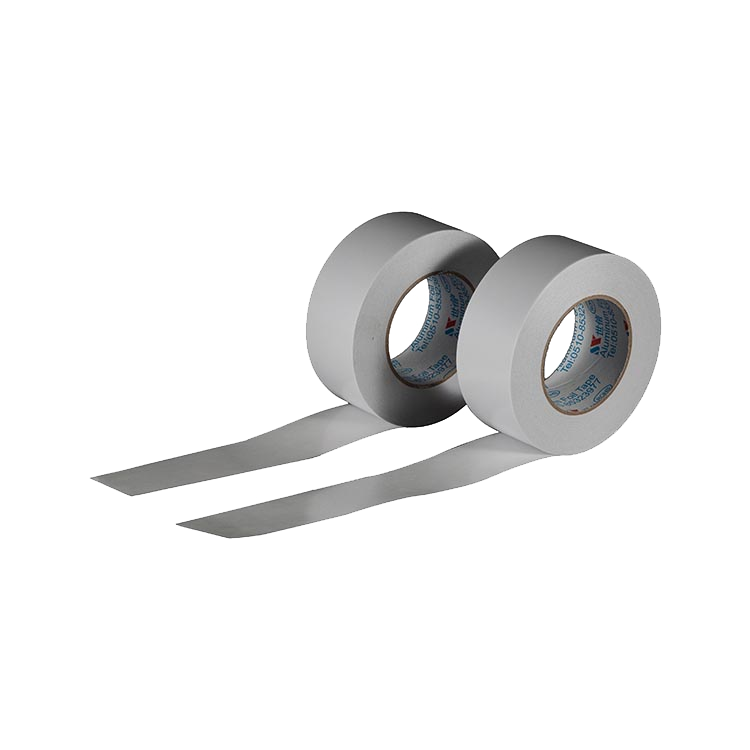
Pita Sisi Ganda Suhu Tinggi banyak digunakan di berbagai industri yang memerlukan ikatan yang andal, tahan panas, dan perakitan yang bersih. Karena proses manufaktur terus menuntut struktur yang lebih ringan, desain yang ringkas, dan peningkatan efisiensi produksi, solusi pengikatan perekat telah menjadi alternatif penting dibandingkan metode pemasangan mekanis tradisional.
Persyaratan penerapan pita dua sisi suhu tinggi bervariasi antar industri. Manufaktur elektronik berfokus pada presisi dan stabilitas termal, aplikasi otomotif memerlukan ketahanan dan ketahanan getaran, sedangkan aplikasi peralatan industri sering kali memprioritaskan ikatan yang kuat dan keandalan jangka panjang.
Produk elektronik seringkali mengandung komponen yang menghasilkan panas selama pengoperasiannya. Pada saat yang sama, rakitan elektronik modern memerlukan struktur yang lebih tipis, komponen yang lebih kecil, dan metode pemasangan yang andal. Pita Sisi Ganda Suhu Tinggi memberikan solusi ikatan praktis untuk aplikasi di mana keterbatasan ruang dan kondisi termal merupakan pertimbangan penting.
Aplikasi umum dalam manufaktur elektronik meliputi:
| Persyaratan Elektronik | Pita Sisi Ganda Suhu Tinggi Advantage |
| Ruang Instalasi Terbatas | Memberikan ikatan tipis dan fleksibel tanpa perangkat keras tambahan |
| Paparan Panas | Mempertahankan kinerja perekat pada suhu tinggi |
| Perakitan Presisi | Mendukung pemosisian yang akurat dan aplikasi yang bersih |
Komponen otomotif sering kali beroperasi dalam kondisi lingkungan yang kompleks, termasuk perubahan suhu, getaran, dan tekanan mekanis jangka panjang. Pita Sisi Ganda Suhu Tinggi digunakan dalam manufaktur otomotif yang memerlukan ikatan ringan, tahan panas, dan pemasangan yang andal.
Aplikasi otomotif yang umum meliputi:
| Persyaratan Otomotif | Pertimbangan Kinerja |
| Variasi Suhu | Membutuhkan daya rekat yang stabil selama siklus pemanasan dan pendinginan |
| Lingkungan Getaran | Membutuhkan fleksibilitas ikatan dan kemampuan penyerapan stres |
| Daya Tahan Jangka Panjang | Membutuhkan ketahanan terhadap penuaan lingkungan |
Sistem pencahayaan LED menghasilkan panas selama pengoperasian dan seringkali memerlukan metode perakitan komponen yang efisien. Pita Sisi Ganda Suhu Tinggi dapat memberikan pemasangan yang andal untuk komponen penerangan sekaligus mendukung persyaratan manajemen termal.
Aplikasi pencahayaan umum meliputi:
| Faktor Penerapan Pencahayaan | Performa Tape yang Diperlukan |
| Pembangkitan Panas | Kinerja perekat yang stabil selama pengoperasian berkelanjutan |
| Desain Kompak | Struktur ikatan tipis untuk perakitan hemat ruang |
| Penentuan Posisi Komponen | Daya rekat awal yang andal selama pemasangan |
Produsen peralatan industri sering kali memerlukan solusi pengikatan yang dapat menahan tekanan mekanis, perubahan suhu, dan pengoperasian berkelanjutan. Pita Sisi Ganda Suhu Tinggi menyediakan metode yang efisien untuk memasang panel, bahan insulasi, dan komponen fungsional.
Aplikasi industri yang umum meliputi:
| Persyaratan Industri | Keuntungan Ikatan |
| Operasi Berkelanjutan | Mempertahankan keterikatan yang stabil selama periode layanan yang lama |
| Kombinasi Bahan Berbeda | Mendukung ikatan antara logam, plastik, dan material komposit |
| Efisiensi Produksi | Mengurangi langkah perakitan dibandingkan dengan pengikatan mekanis |
Peralatan energi dan sistem baterai memerlukan manajemen termal dan fiksasi komponen yang andal. Pita Sisi Ganda Suhu Tinggi dapat mendukung persyaratan perakitan yang mengutamakan paparan panas, insulasi, dan ikatan stabil.
| Persyaratan Penerapan Energi | Fokus Kinerja Pita |
| Stabilitas Termal | Mempertahankan kinerja ikatan selama paparan panas |
| Keamanan dan Keandalan | Memberikan keterikatan yang stabil untuk komponen internal |
| Efisiensi Ruang | Mendukung desain perakitan yang ringkas |
| Industri | Persyaratan Utama | Pita Sisi Ganda Suhu Tinggi Function |
| Elektronik | Presisi, ikatan tipis, tahan panas | Pemasangan komponen dan pemasangan bahan termal |
| Otomotif | Daya tahan, ketahanan getaran, stabilitas suhu | Ikatan interior dan rakitan perlindungan termal |
| Pencahayaan LED | Manajemen panas dan desain kompak | Pemasangan modul dan pengikatan struktural |
| Peralatan Industri | Keandalan jangka panjang dan perakitan yang efisien | Panel, insulasi, dan pengikatan komponen |
| Peralatan Energi | Stabilitas termal dan optimalisasi ruang | Isolasi dan pemasangan komponen |
Keserbagunaan Pita Sisi Ganda Suhu Tinggi berasal dari kemampuannya menggabungkan daya rekat yang kuat, stabilitas termal, fleksibilitas desain, dan pemrosesan yang efisien. Industri yang berbeda dapat memilih struktur pita yang sesuai berdasarkan persyaratan suhu, bahan substrat, batasan ketebalan, dan metode perakitan.
Bagi produsen yang mencari proses produksi yang lebih bersih dan kinerja ikatan yang andal di bawah paparan panas, pita perekat dua sisi bersuhu tinggi memberikan solusi efektif untuk aplikasi perakitan industri modern.
Memilih Pita Dua Sisi Suhu Tinggi yang tepat memerlukan evaluasi komprehensif terhadap kondisi aplikasi, bahan pengikat, paparan suhu, dan persyaratan produksi. Bagi produsen industri, memilih pita perekat bukan hanya tentang memilih bahan yang tahan panas tetapi juga tentang memastikan keandalan ikatan jangka panjang, efisiensi pemrosesan, dan kinerja yang stabil sepanjang siklus hidup produk.
Aplikasi yang berbeda memerlukan struktur pita yang berbeda. Pita perekat yang digunakan untuk perakitan komponen elektronik mungkin berfokus pada ketebalan yang tipis dan ikatan yang presisi, sementara aplikasi pada peralatan otomotif atau industri mungkin memerlukan kinerja penahan yang lebih kuat, ketahanan terhadap getaran, dan stabilitas termal.
Ketahanan suhu adalah salah satu faktor terpenting saat memilih Pita Sisi Ganda Suhu Tinggi. Lingkungan kerja sebenarnya harus dievaluasi dengan hati-hati karena paparan panas terus menerus, puncak suhu jangka pendek, dan siklus pemanasan dan pendinginan yang berulang dapat mempengaruhi kinerja perekat.
Produsen harus mempertimbangkan faktor-faktor terkait suhu berikut:
| Faktor Suhu | Pertimbangan Seleksi | Dampak terhadap Kinerja |
| Panas Terus Menerus | Membutuhkan kinerja perekat dan pembawa yang stabil | Membantu menjaga keandalan ikatan jangka panjang |
| Puncak Suhu Tinggi | Memerlukan ketahanan terhadap tekanan termal sementara | Mengurangi risiko pelunakan atau kegagalan perekat |
| Siklus Suhu | Membutuhkan fleksibilitas dan penyerapan stres | Meningkatkan daya tahan selama pemanasan dan pendinginan berulang |
Lapisan perekat secara langsung menentukan kekuatan ikatan, ketahanan suhu, dan stabilitas jangka panjang. Sistem perekat yang berbeda memberikan karakteristik kinerja yang berbeda tergantung pada lingkungan aplikasi.
Saat memilih Pita Dua Sisi Suhu Tinggi, produsen harus mengevaluasi:
| Kinerja Perekat | Pentingnya untuk Aplikasi Industri |
| Taktik Awal yang Tinggi | Meningkatkan efisiensi pemosisian selama perakitan |
| Kohesi yang Kuat | Mengurangi deformasi perekat di bawah beban dan paparan panas |
| Stabilitas Termal | Mempertahankan kinerja ikatan di lingkungan bersuhu tinggi |
| Resistensi Penuaan | Mendukung masa pakai lebih lama dalam pengoperasian berkelanjutan |
Lapisan pembawa memberikan dukungan struktural antara dua lapisan perekat. Hal ini mempengaruhi ketebalan, fleksibilitas, kekuatan, dan kemampuan pita perekat untuk beradaptasi dengan permukaan yang berbeda.
Pembawa yang paling cocok bergantung pada persyaratan aplikasi, termasuk kondisi permukaan, fleksibilitas yang diperlukan, dan paparan lingkungan.
| Jenis Pengangkut | Karakteristik Utama | Aplikasi yang Cocok |
| Pembawa Film | Struktur tipis, stabilitas dimensi, ikatan presisi | Komponen dan aplikasi elektronik memerlukan perakitan yang akurat |
| Pembawa Busa | Fleksibel, efek bantalan, kemampuan mengisi celah | Permukaan tidak rata, lingkungan getaran, dan pemasangan komponen |
| Pembawa Non-Anyaman | Struktur lunak dengan kesesuaian yang baik | Aplikasi yang membutuhkan fleksibilitas dan adaptasi permukaan |
Ketebalan pita memainkan peran penting dalam kinerja ikatan. Pita perekat yang lebih tipis sering kali lebih disukai untuk aplikasi yang presisi, sementara struktur yang lebih tebal dapat memberikan bantalan yang lebih baik dan kemampuan mengisi celah.
| Kisaran Ketebalan | Fitur Utama | Pertimbangan Aplikasi |
| Struktur Tipis | Profil rendah dan ikatan presisi | Cocok untuk rakitan kompak dan ruang pemasangan terbatas |
| Ketebalan Sedang | Kekuatan dan fleksibilitas yang seimbang | Cocok untuk kebutuhan ikatan industri umum |
| Struktur Lebih Tebal | Peningkatan bantalan dan pengisian celah | Cocok untuk permukaan yang tidak rata dan aplikasi getaran |
Kinerja Pita Sisi Ganda Suhu Tinggi sangat bergantung pada bahan yang diikat. Permukaan yang berbeda memiliki tingkat kehalusan, energi permukaan, dan kompatibilitas dengan sistem perekat yang berbeda.
Permukaan ikatan yang umum meliputi:
| Permukaan Ikatan | Faktor Pemilihan Kunci |
| Logam | Tahan panas dan daya rekat jangka panjang yang kuat |
| Plastik | Kompatibilitas permukaan dan ikatan stabil |
| Bahan Komposit | Fleksibilitas dan penyerapan stres |
| Bahan Isolasi | Ikatan ringan dan perlindungan permukaan |
Untuk manufaktur industri, pita perekat tidak hanya harus memenuhi persyaratan kinerja tetapi juga sesuai dengan proses produksi. Desain liner pelepas dan struktur pita dapat memengaruhi efisiensi aplikasi dan akurasi pemrosesan.
| Metode Produksi | Karakteristik Pita Penting |
| Aplikasi Manual | Penanganan mudah dan posisi yang dapat diandalkan |
| Pemotongan Mati Presisi | Ketebalan stabil dan konsistensi dimensi |
| Perakitan Otomatis | Performa rilis dan efisiensi pemrosesan yang konsisten |
| Barang Seleksi | Pertanyaan untuk Dievaluasi |
| Persyaratan Suhu | Berapa kisaran suhu yang akan dialami pita perekat selama pengoperasian? |
| Bahan Ikatan | Substrat apa yang perlu direkatkan? |
| Stres Mekanis | Apakah penerapannya akan melibatkan getaran, benturan, atau gerakan? |
| Metode Pengolahan | Apakah rekaman itu akan diterapkan secara manual atau melalui peralatan otomatis? |
| Persyaratan Kehidupan Layanan | Berapa lama kinerja pengikatan harus tetap stabil? |
Memilih Pita Dua Sisi Suhu Tinggi yang tepat memerlukan pemahaman lengkap tentang kondisi suhu, kinerja perekat, struktur pembawa, bahan permukaan, dan persyaratan produksi. Solusi pita perekat yang sesuai harus memberikan kinerja pengikatan yang andal sekaligus sesuai dengan kebutuhan spesifik lingkungan aplikasi.
Dengan mengevaluasi faktor-faktor ini secara cermat, produsen dapat meningkatkan efisiensi perakitan, meningkatkan keandalan produk, dan mencapai kinerja pengikatan yang stabil dalam aplikasi industri yang menuntut.
Pita Sisi Ganda Suhu Tinggi dan pita dua sisi standar mungkin tampak serupa strukturnya, namun dirancang untuk lingkungan aplikasi yang berbeda. Perbedaan utamanya terletak pada kemampuannya mempertahankan kinerja ikatan di bawah paparan panas, siklus termal, tekanan mekanis, dan pengoperasian jangka panjang.
Pita perekat dua sisi standar umumnya cocok untuk pengikatan tujuan umum di mana kondisi suhu stabil dan tekanan lingkungan terbatas. Pita Sisi Ganda Suhu Tinggi dikembangkan untuk aplikasi industri yang memerlukan ketahanan panas yang lebih kuat, stabilitas perekat yang lebih baik, dan kinerja ikatan yang andal dalam kondisi yang menuntut.
Perbedaan kinerja antara pita perekat dua sisi bersuhu tinggi dan standar dimulai dari struktur materialnya. Versi suhu tinggi biasanya menggunakan sistem perekat, bahan pembawa, dan lapisan pelepas yang dirancang untuk menjaga stabilitas saat terkena suhu tinggi.
| Komponen Struktur | Pita Sisi Ganda Suhu Tinggi | Pita Dua Sisi Standar |
| Lapisan Perekat | Dirancang untuk stabilitas termal dan kinerja ikatan jangka panjang | Dirancang terutama untuk aplikasi pengikatan umum |
| Bahan Pembawa | Dipilih karena stabilitas dimensi dan persyaratan aplikasi di bawah panas | Berfokus terutama pada dukungan umum dan kinerja ikatan |
| Rilis Liner | Mendukung pemrosesan yang presisi dan melindungi perekat selama penyimpanan | Memberikan perlindungan perekat dasar sebelum aplikasi |
Ketahanan terhadap suhu adalah salah satu faktor terpenting yang membedakan pita perekat dua sisi suhu tinggi dari pita perekat standar. Saat terkena panas, bahan perekat dapat melunak, kehilangan kohesi, atau kekuatan penahannya berkurang. Desain suhu tinggi membantu meminimalkan efek ini.
| Faktor Kinerja | Pita Sisi Ganda Suhu Tinggi | Pita Dua Sisi Standar |
| Panas Terus Menerus Exposure | Mempertahankan kinerja ikatan yang lebih stabil selama kondisi panas yang berkepanjangan | Umumnya cocok untuk lingkungan bersuhu normal |
| Puncak Suhu Jangka Pendek | Memberikan peningkatan ketahanan terhadap kondisi suhu tinggi sementara | Mungkin mengalami perubahan kinerja perekat yang lebih cepat |
| Bersepeda Termal | Beradaptasi lebih baik terhadap kondisi pemanasan dan pendinginan berulang | Lebih sensitif terhadap stres terkait suhu |
Sistem perekat menentukan seberapa baik kinerja pita perekat setelah pemasangan. Dalam aplikasi industri, pita perekat harus mempertahankan kekuatan ikatan yang cukup bahkan ketika terkena panas, getaran, dan perubahan lingkungan.
| Properti Perekat | Pita Sisi Ganda Suhu Tinggi | Pita Dua Sisi Standar |
| Ketahanan Penuaan Panas | Ketahanan yang lebih tinggi terhadap degradasi perekat selama paparan panas | Lebih cocok untuk kondisi lingkungan normal |
| Memegang Kekuatan | Dirancang untuk pemasangan yang stabil dalam kondisi yang berat | Cocok untuk persyaratan pemasangan umum |
| Keandalan Jangka Panjang | Cocok untuk aplikasi yang memerlukan kinerja layanan yang diperluas | Cocok untuk aplikasi yang tidak terlalu menuntut |
Pilihan antara selotip dua sisi suhu tinggi dan selotip dua sisi standar terutama bergantung pada lingkungan kerja. Aplikasi industri sering kali melibatkan sumber panas, pengoperasian berkelanjutan, getaran, atau persyaratan keandalan yang ketat.
| Kondisi Aplikasi | Performa Tape yang Direkomendasikan | Alasan |
| Perakitan Komponen Elektronik | Pita Sisi Ganda Suhu Tinggi | Memberikan ikatan yang andal di mana panas dan presisi adalah hal yang penting |
| Otomotif Components | Pita Sisi Ganda Suhu Tinggi | Mendukung perubahan suhu dan lingkungan getaran |
| Peralatan Industri | Pita Sisi Ganda Suhu Tinggi | Mempertahankan ikatan yang stabil selama pengoperasian berkelanjutan |
| Majelis Umum Dalam Ruangan | Pita Dua Sisi Standar | Cocok ketika tekanan suhu terbatas |
Selain ketahanan suhu, kinerja mekanik juga mempengaruhi keandalan ikatan perekat. Pita dua sisi bersuhu tinggi sering dipilih untuk aplikasi di mana komponen mungkin mengalami getaran, pergerakan, atau pemuaian termal.
| Faktor Mekanik | Pita Sisi Ganda Suhu Tinggi | Pita Dua Sisi Standar |
| Ketahanan Getaran | Dirancang untuk memberikan dukungan ikatan yang fleksibel | Cocok terutama untuk lingkungan yang stabil |
| Penyerapan Stres | Dapat membantu menyerap gerakan kecil antar material | Kinerja terbatas dalam kondisi stres yang berulang |
| Kompatibilitas Bahan | Cocok untuk berbagai substrat industri | Berfokus pada permukaan ikatan umum |
Bagi produsen, pemilihan pita perekat tidak hanya terkait dengan kinerja pengikatan akhir namun juga efisiensi produksi. Pita Sisi Ganda Suhu Tinggi dengan liner pelepas yang sesuai dapat meningkatkan penanganan, akurasi pemotongan, dan konsistensi perakitan.
| Persyaratan Pemrosesan | Pita Sisi Ganda Suhu Tinggi | Pita Dua Sisi Standar |
| Pemotongan Mati Presisi | Cocok untuk aplikasi yang membutuhkan bentuk dan dimensi yang akurat | Tergantung pada struktur pita dan persyaratan pemrosesan |
| Perakitan Otomatis | Mendukung proses aplikasi yang konsisten | Cocok untuk kebutuhan produksi yang lebih sederhana |
| Perlindungan Penyimpanan | Release liner membantu menjaga kondisi perekat | Memberikan perlindungan dasar sebelum digunakan |
Memilih antara Pita Dua Sisi Suhu Tinggi dan pita dua sisi standar bergantung pada kondisi pengoperasian sebenarnya. Produsen harus mengevaluasi paparan suhu, bahan pengikat, tekanan mekanis, dan masa pakai yang diharapkan sebelum membuat pilihan.
Pita Dua Sisi Suhu Tinggi memberikan peningkatan kinerja untuk aplikasi industri yang mengutamakan ketahanan panas, stabilitas perekat, dan keandalan jangka panjang. Dibandingkan dengan pita perekat dua sisi standar, pita ini menawarkan kesesuaian yang lebih baik untuk lingkungan yang menuntut yang melibatkan perubahan suhu, tekanan mekanis, dan pengoperasian berkelanjutan.
Dengan memilih struktur pita yang tepat sesuai dengan kebutuhan aplikasi, produsen dapat mencapai hasil ikatan yang lebih andal, meningkatkan efisiensi perakitan, dan meningkatkan daya tahan produk jadi secara keseluruhan.
Perusahaan kami telah terlibat dalam industri manufaktur rekaman selama lebih dari 20 tahun, dan telah berfokus pada berbagai Jenis kaset foil aluminium, kaset busa, pita kulkas, dll.
Telepon: +86-159-5136-0053
+86-136-6515-8108
Whatsapp +86-159-5136-0053
Alamat: No. 1, Yedong Road, barat Yingbin Avenue, Economic Development Zone, Suqian City, Provinsi Jiangsu, Cina
Miya Miao
Email: [email protected]
Mobile/WhatsApp: 0086 19033791110
Copyright © Jiangsu Shixin Adhesive Tape Products Co., Ltd. All Rights Reserved. Produsen pita perekat foil foil foil kulkm kustom